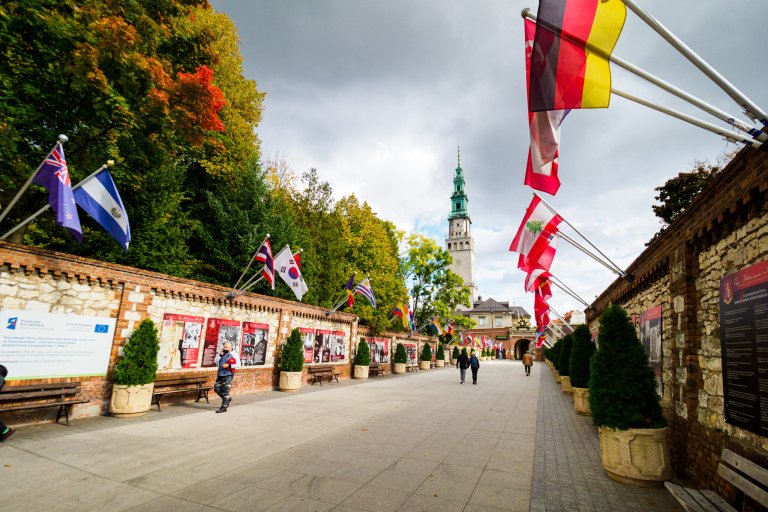
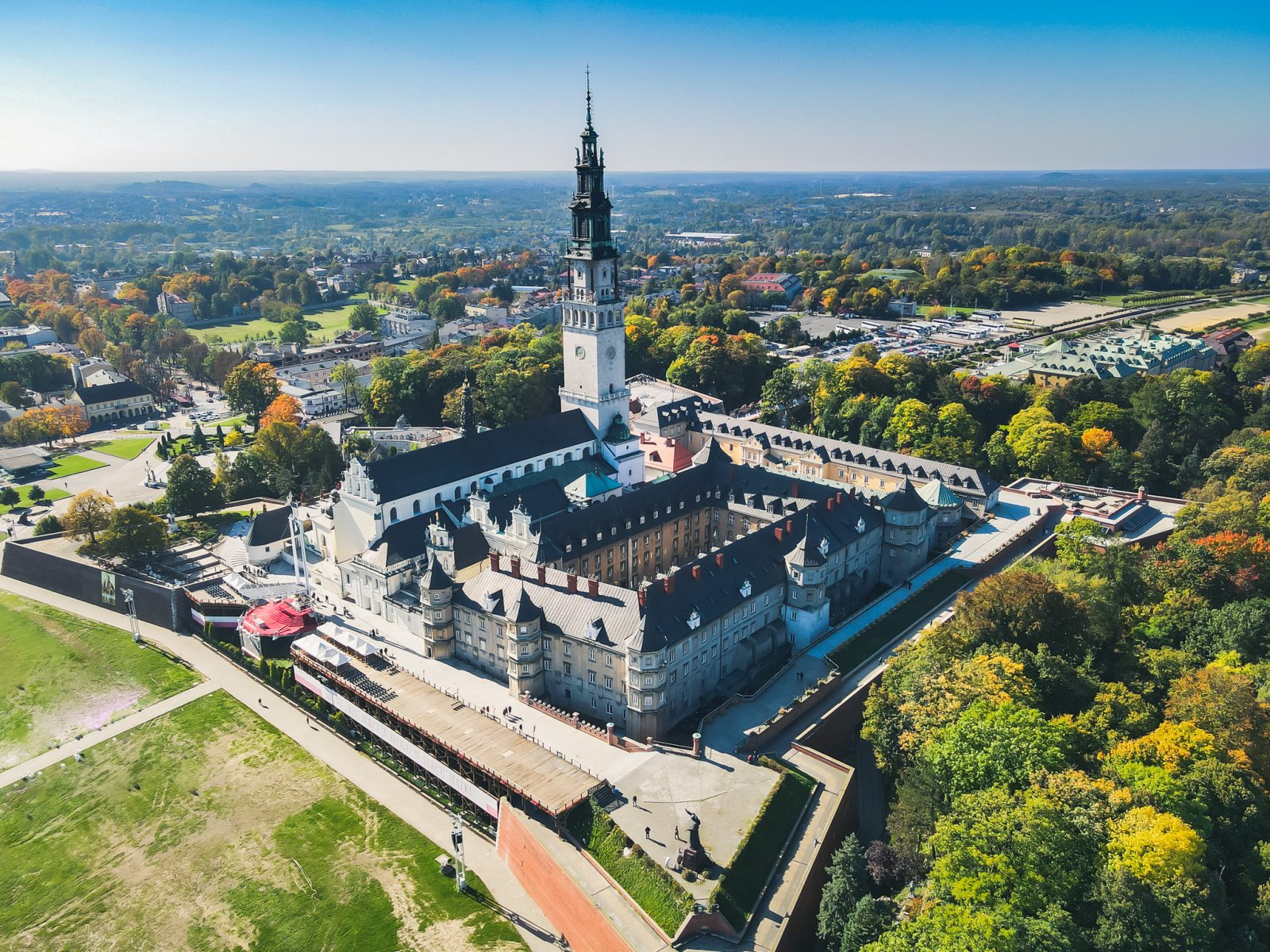
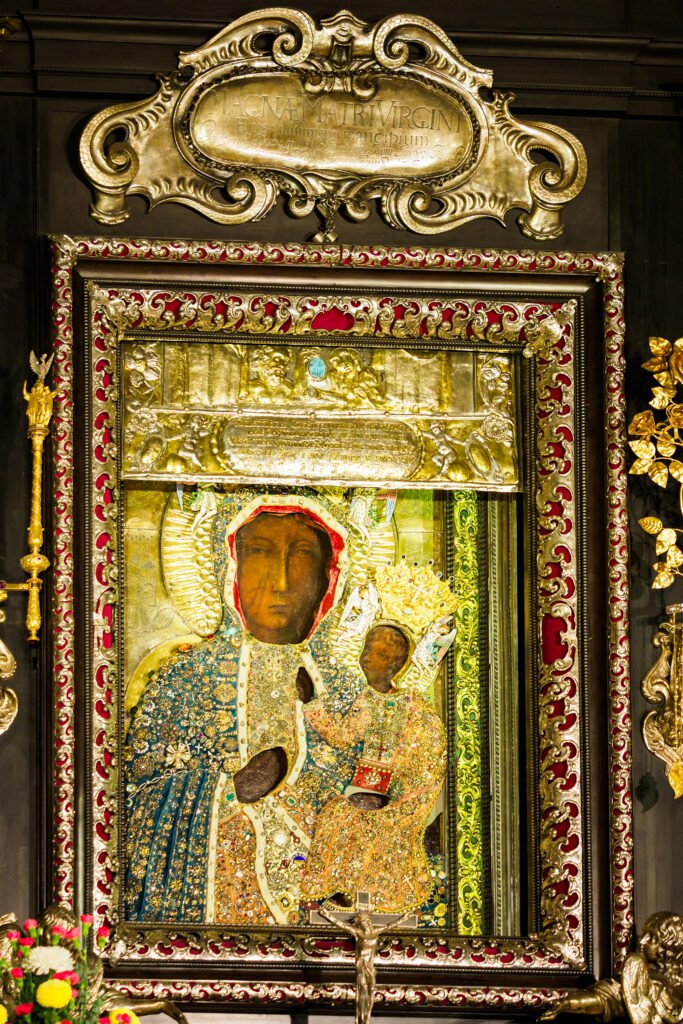
Częstochowa is a place known to many people around the world, primarily due to the presence of the image of Our Lady of Częstochowa, the icon of the Black Madonna, which is located in the monastery of the Pauline Fathers at Jasna Góra. The Feast of the Assumption of the Blessed Virgin Mary (August 15), attracts every year about 100,000 pilgrims to Częstochowa every year from Poland and abroad. The Chapel of the Miraculous Image of Our Lady of Jasna Góra is the epicentre of the Shrine.
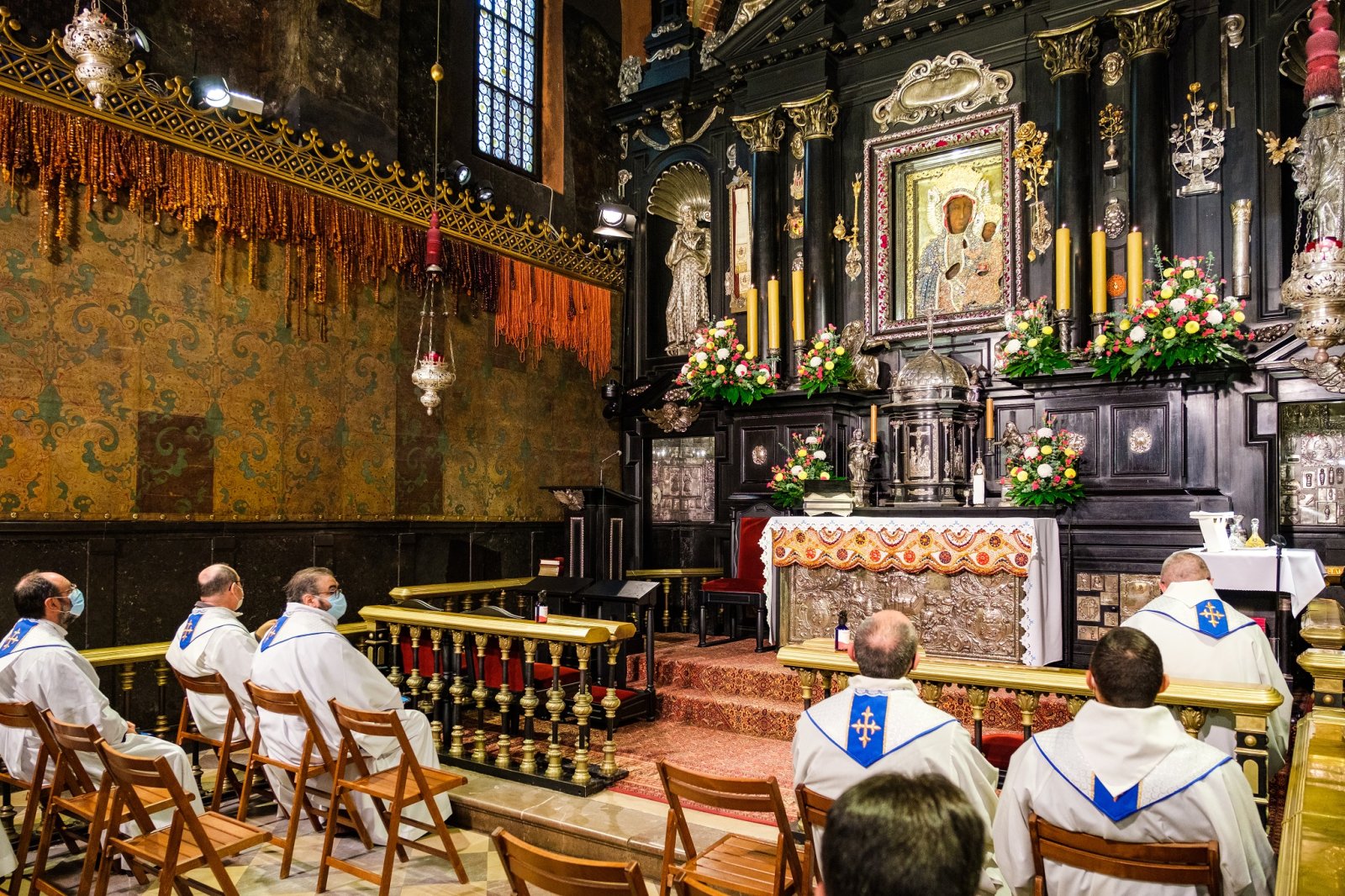
The Chapel of Our Lady with the Image of the Mother of God and Baby Jesus, also known as the Black Madonna, is the most important goal of the pilgrims arriving in Jasna Góra. It was from the altar of Our Lady that the Polish kings set out on military expeditions and brought here their votive offerings. John Paul II also offered a Golden Rose and the belt shot through during the attempt on his life in 1981, which are now placed next to the image of the Black Madonna.
The chapel consists of three parts erected at different times. The oldest, gothic part is today’s presbytery and is decorated with an ebony and silver altar from the 17th century. The second, baroque part is decorated with votive offerings, expressing gratitude to the Mother of God for favors. The third part of the chapel dates from the beginning of the 20th century.
Częstochowa is situated in the northern part of the Province of Silesia, in a picturesque range of limestone hills. The city is located near Katowice-Pyrzowice and Kraków-Balice Airports, on one of the main transport routes of Poland, connecting the northern and southern parts of the country.
The region around of Częstochowa – the Polish Jurassic Highland also known as the Polish Jura – is a perfect place for sport, recreation and activity-focused tourism. The Kraków-Częstochowa upland is an exceptional eco-paradise with unique natural appeal. Częstochowa is a great starting point for Jurassic tourist trails, with ruins of medieval fortresses, limestone rocks and caves, attracting numerous hikers, cyclists and horse riders, rock climbers, cave explorers and hang-gliders.
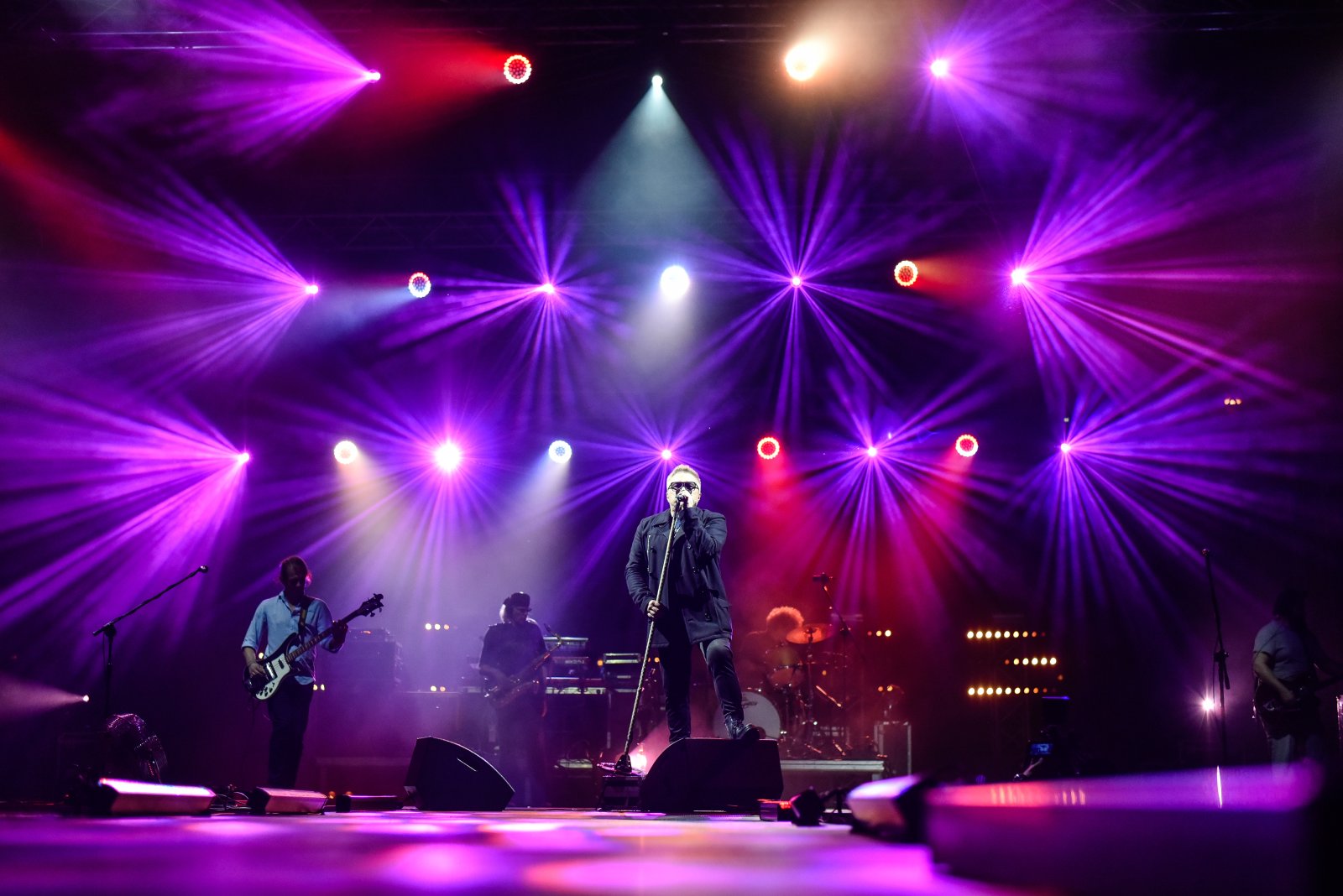
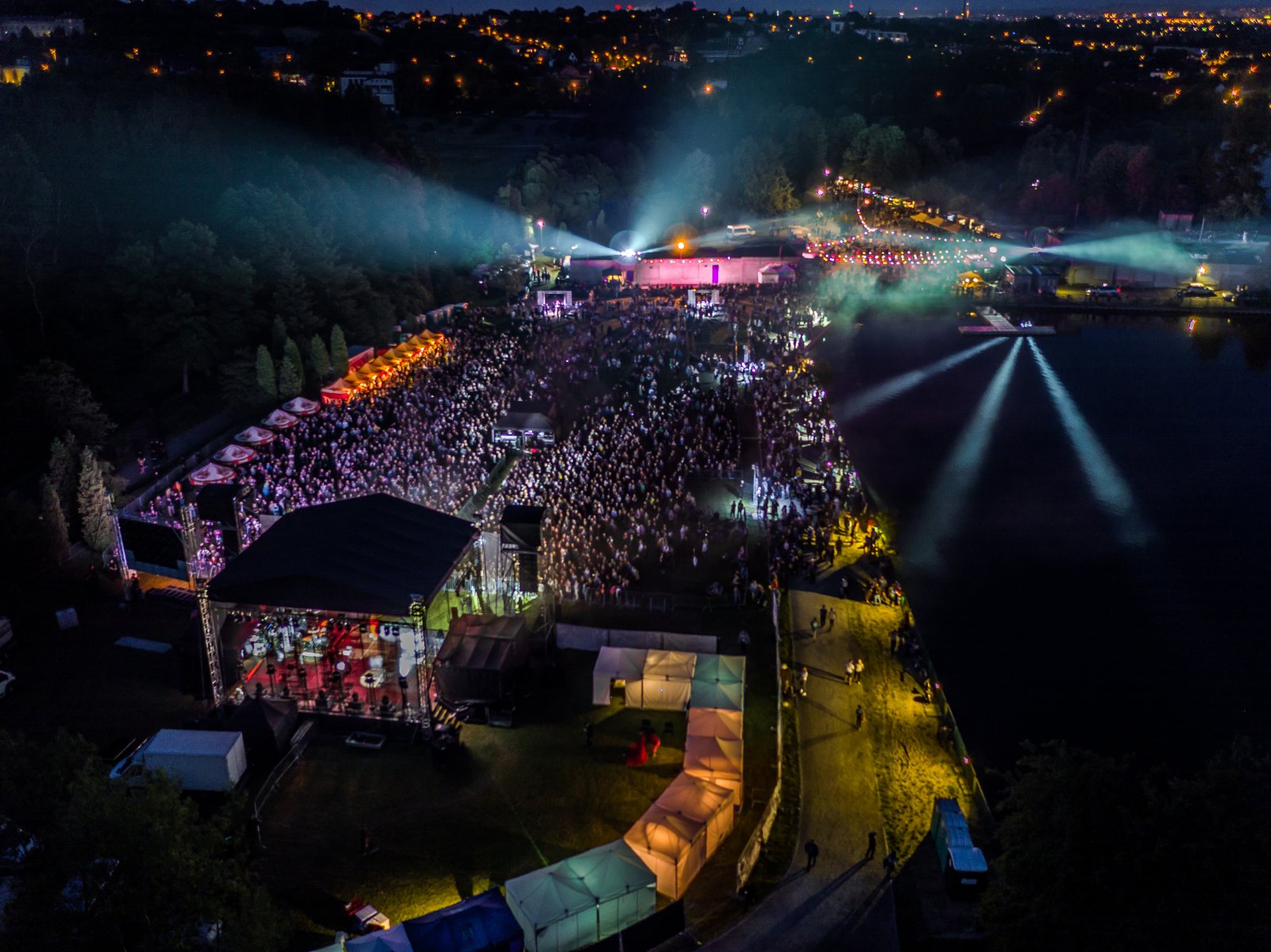
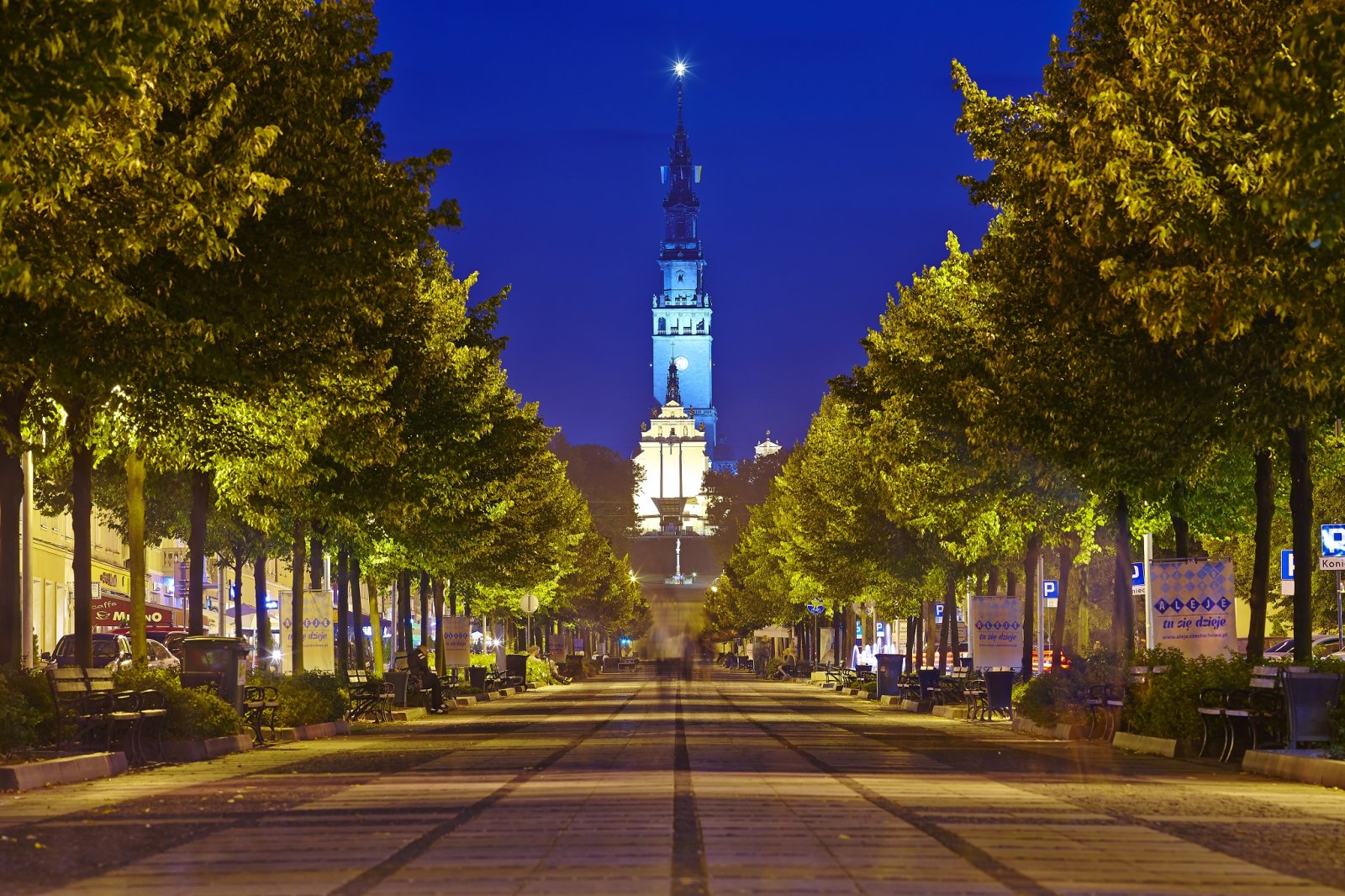
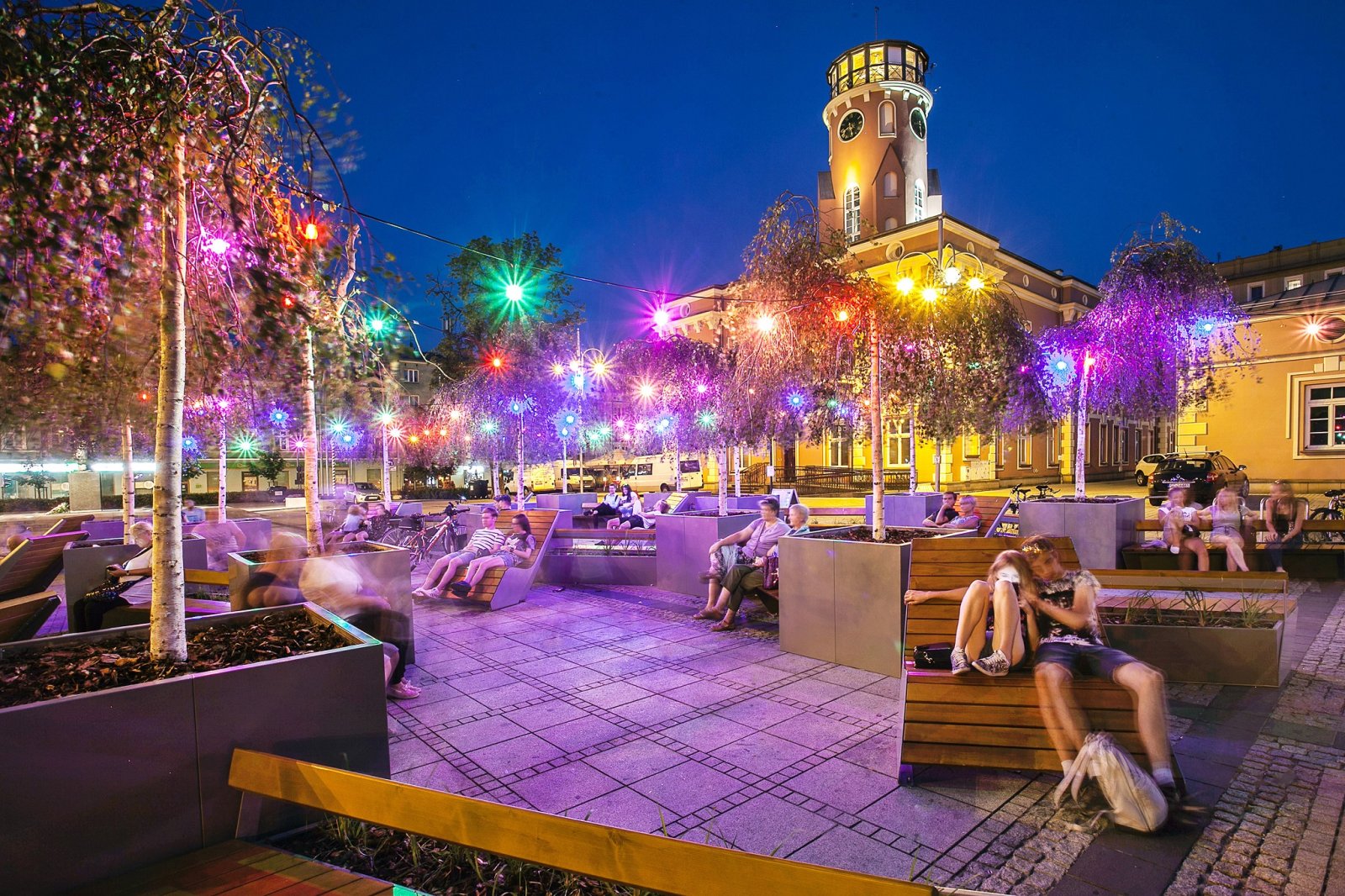
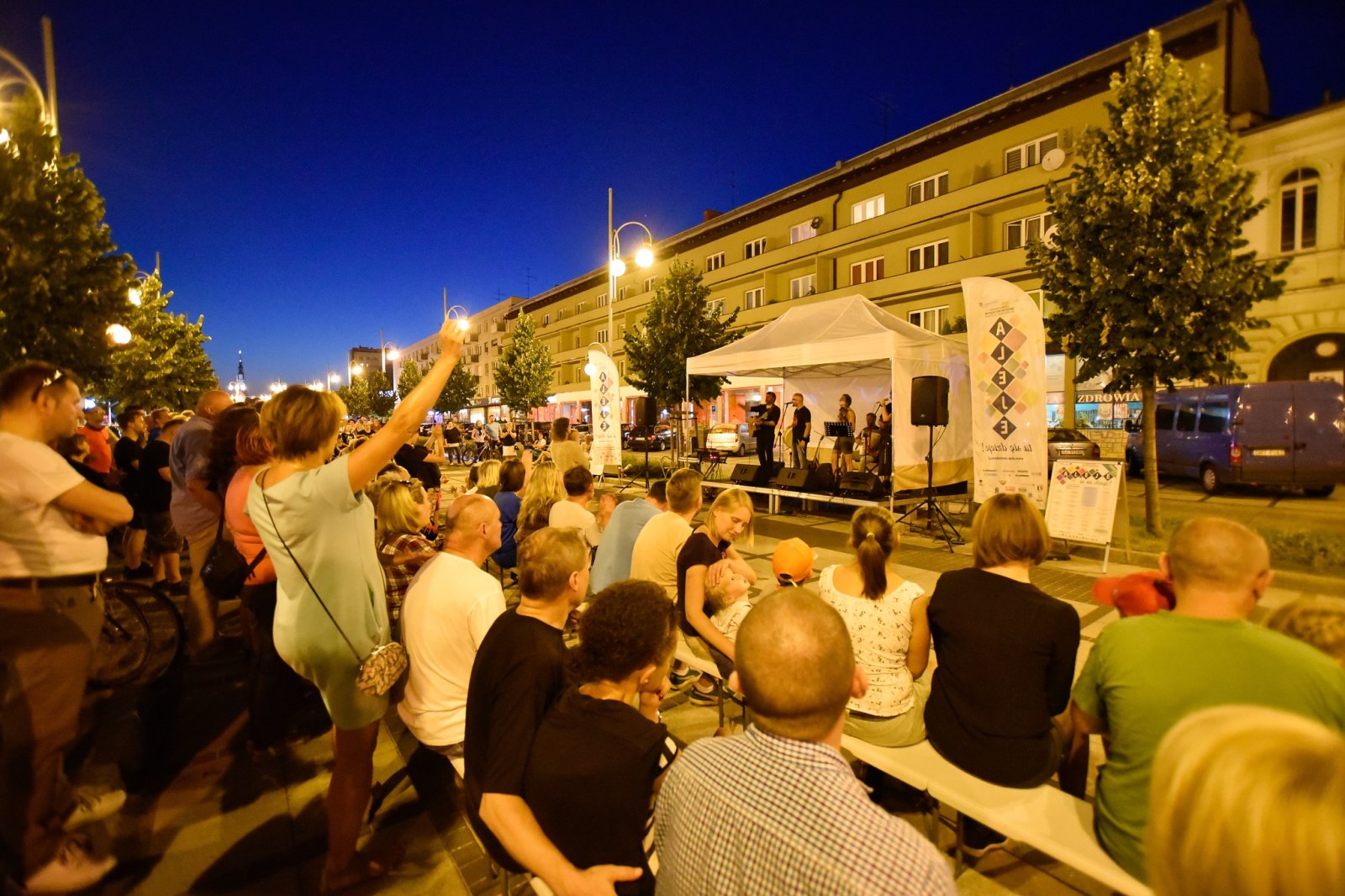
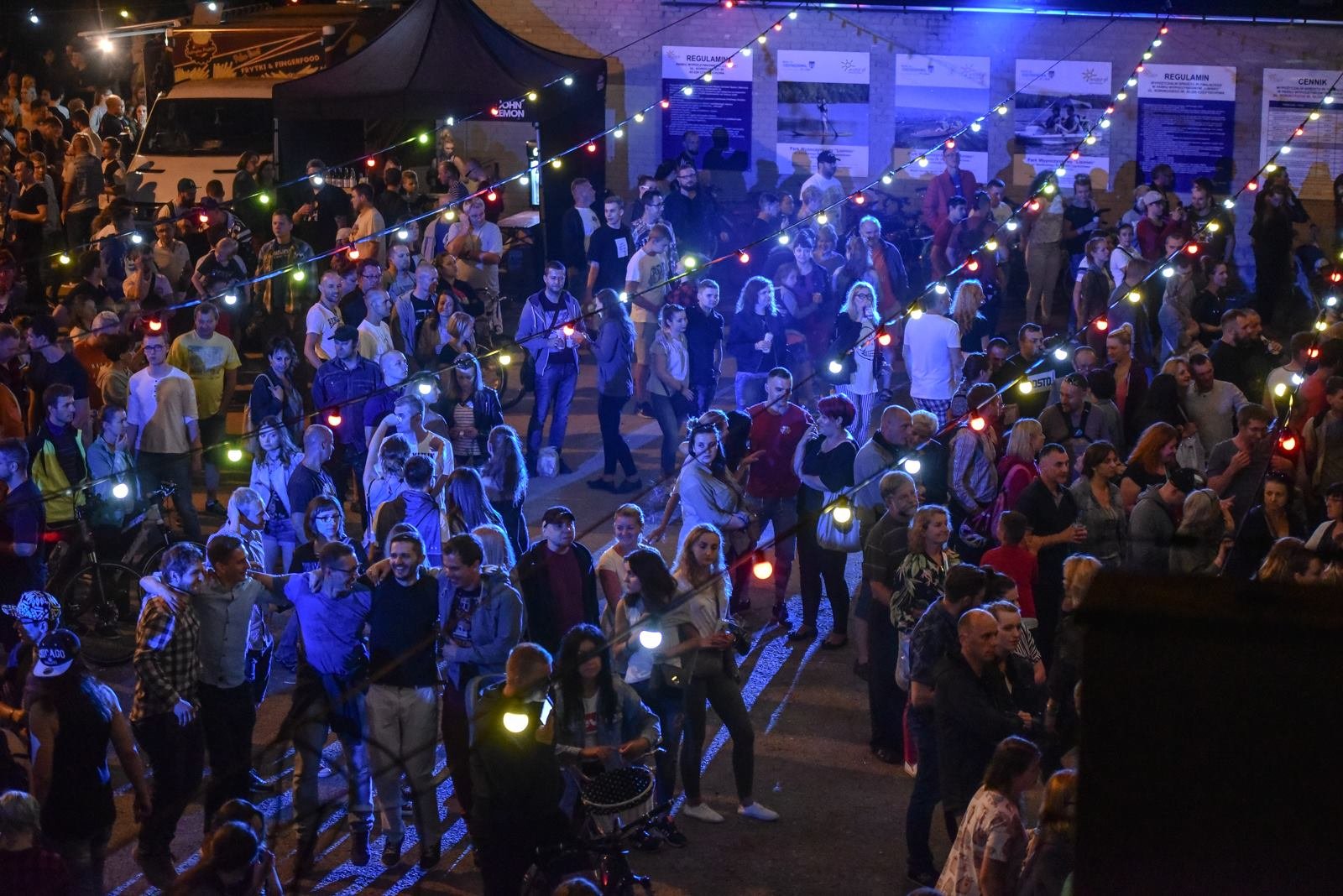
Częstochowa offers a rich and varied cultural palette thanks to its excellet cultural establishments such as the City Museum, City Art Gallery, Philharmonic Hall, Adam Mickiewicz Theater, “Gaude Mater” Center for the Promotion of Culture, Film Culture Center and City Community Center. Local events in Częstochowa, such as “Aleje – tu się dzieje” – a project comprising a series of cultural events in the main avenue of the city, or “Hot Jazz Spring”, “Frytka OFF”, “Hip-Hop Elements”, Reggae ON” and “Retro” festivals are very popular among the inhabitants of Częstochowa and are a recognizable trademark of the city in Poland and abroad.
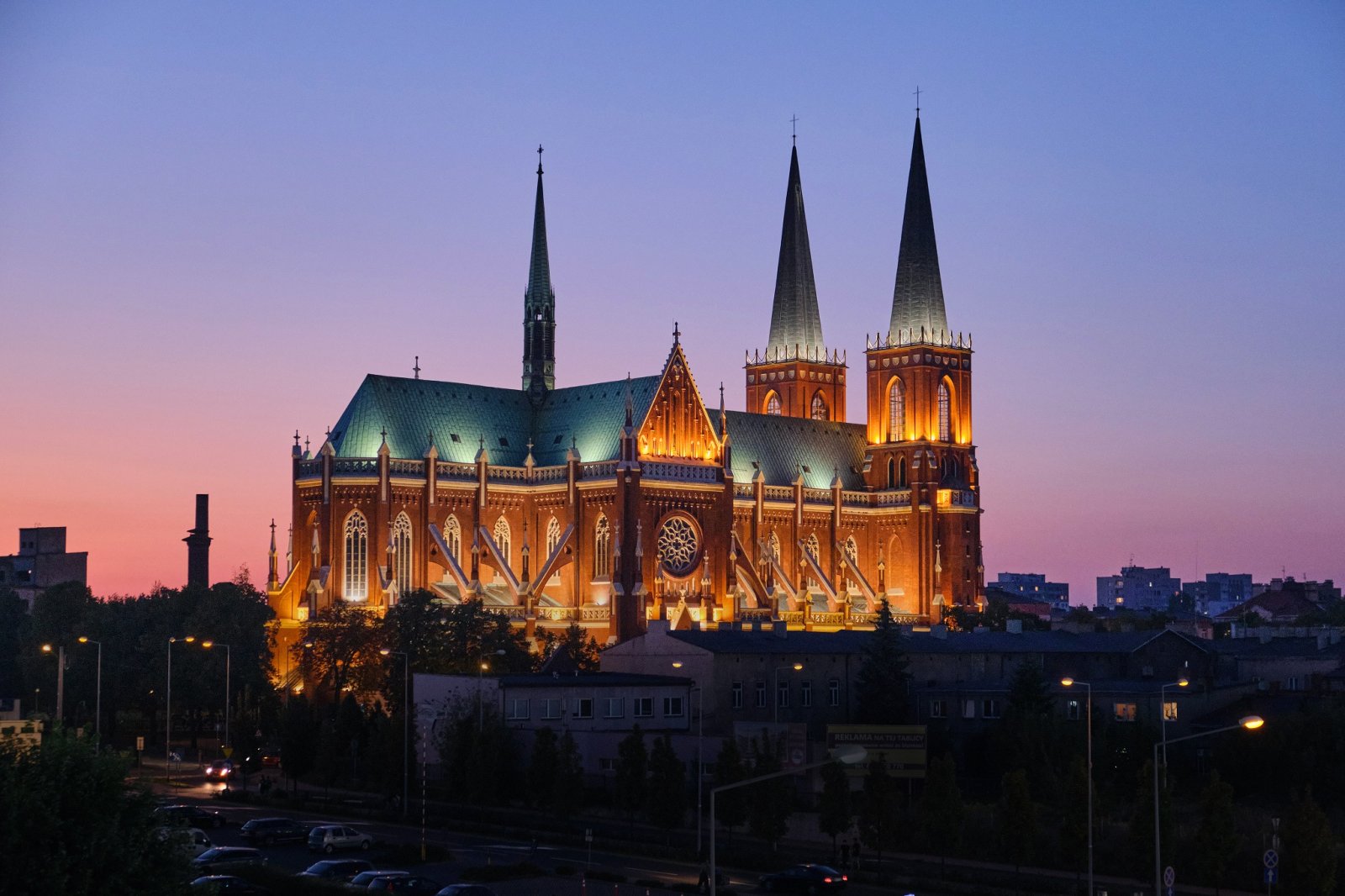
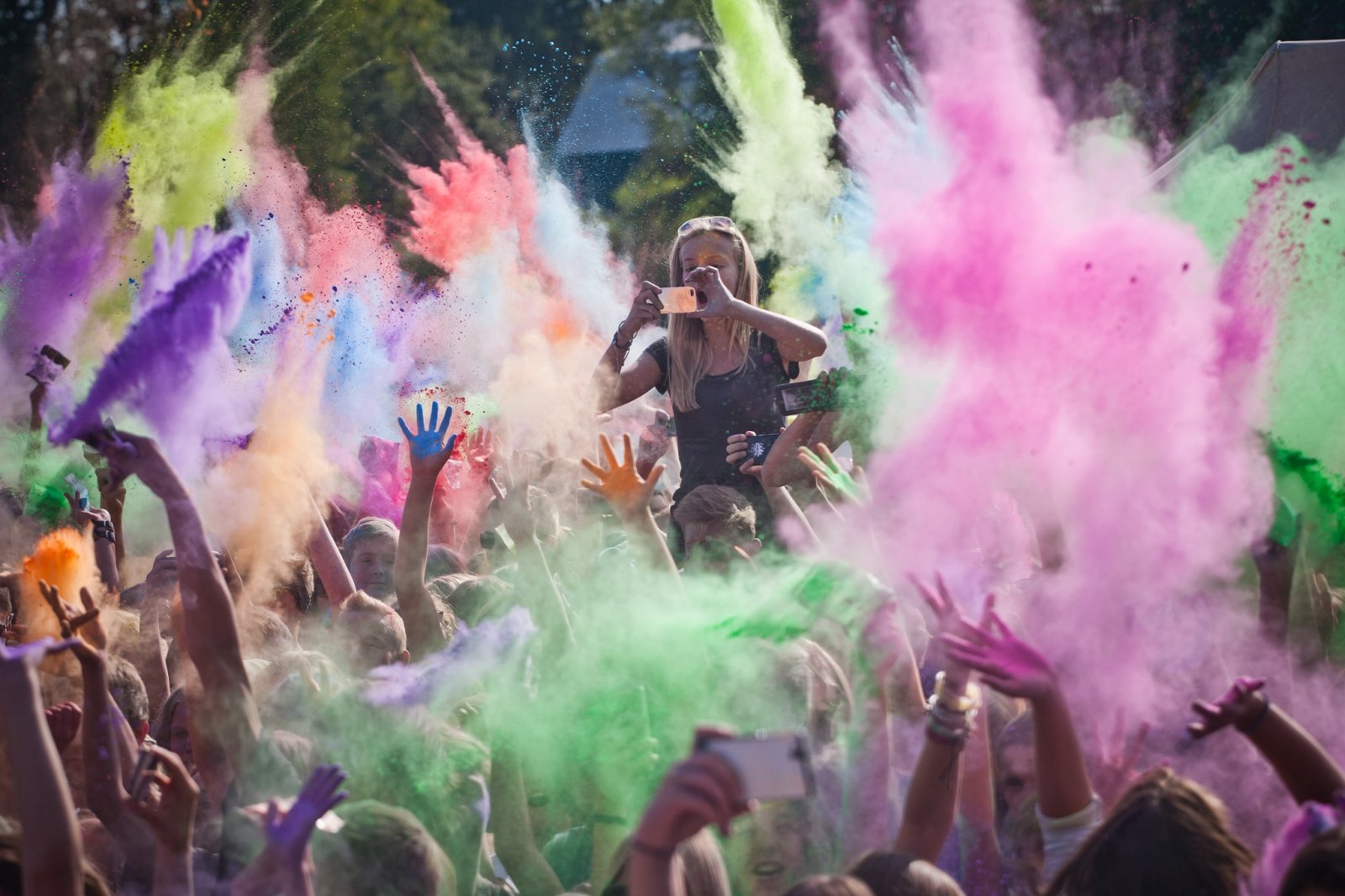
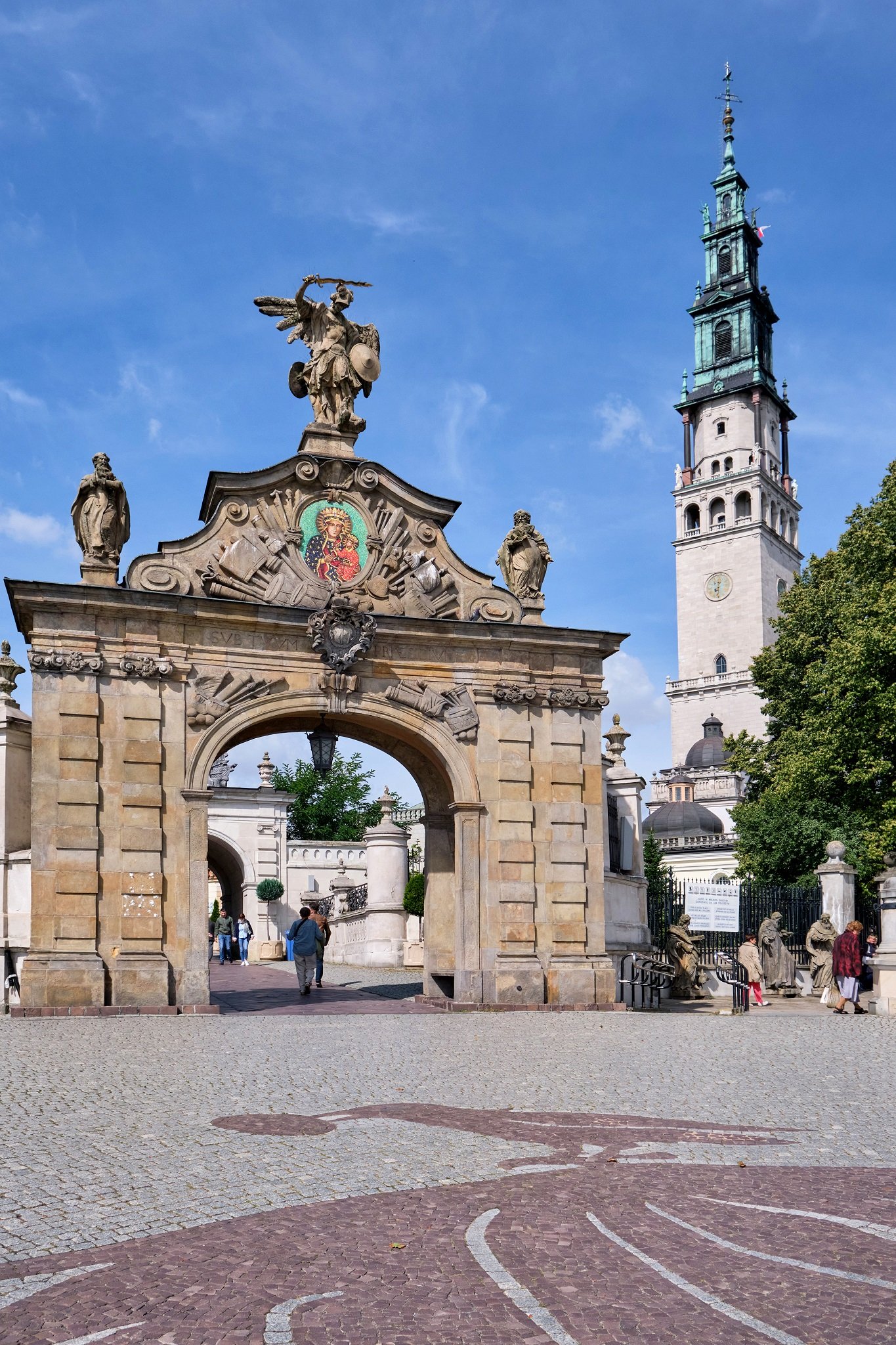
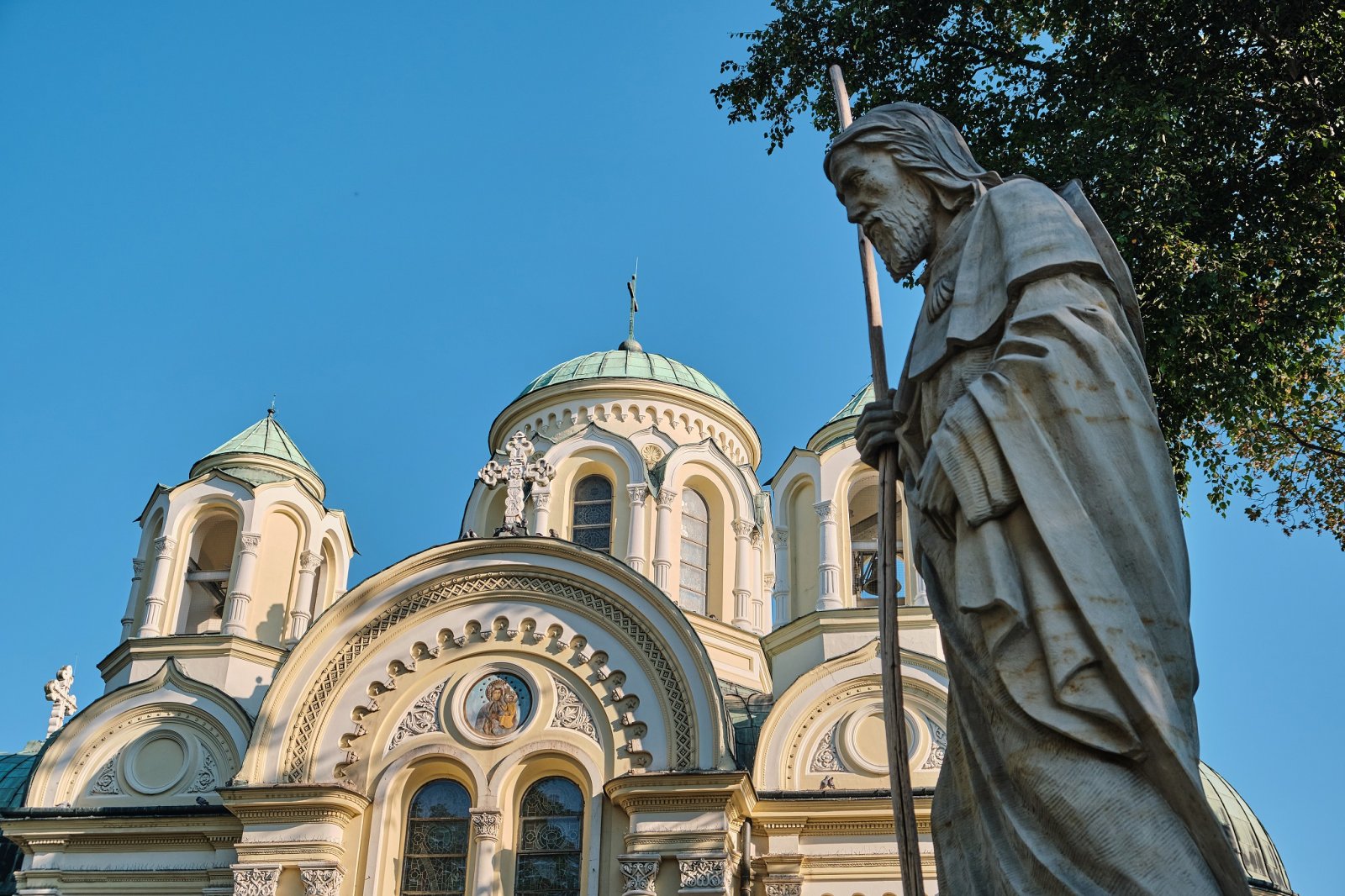
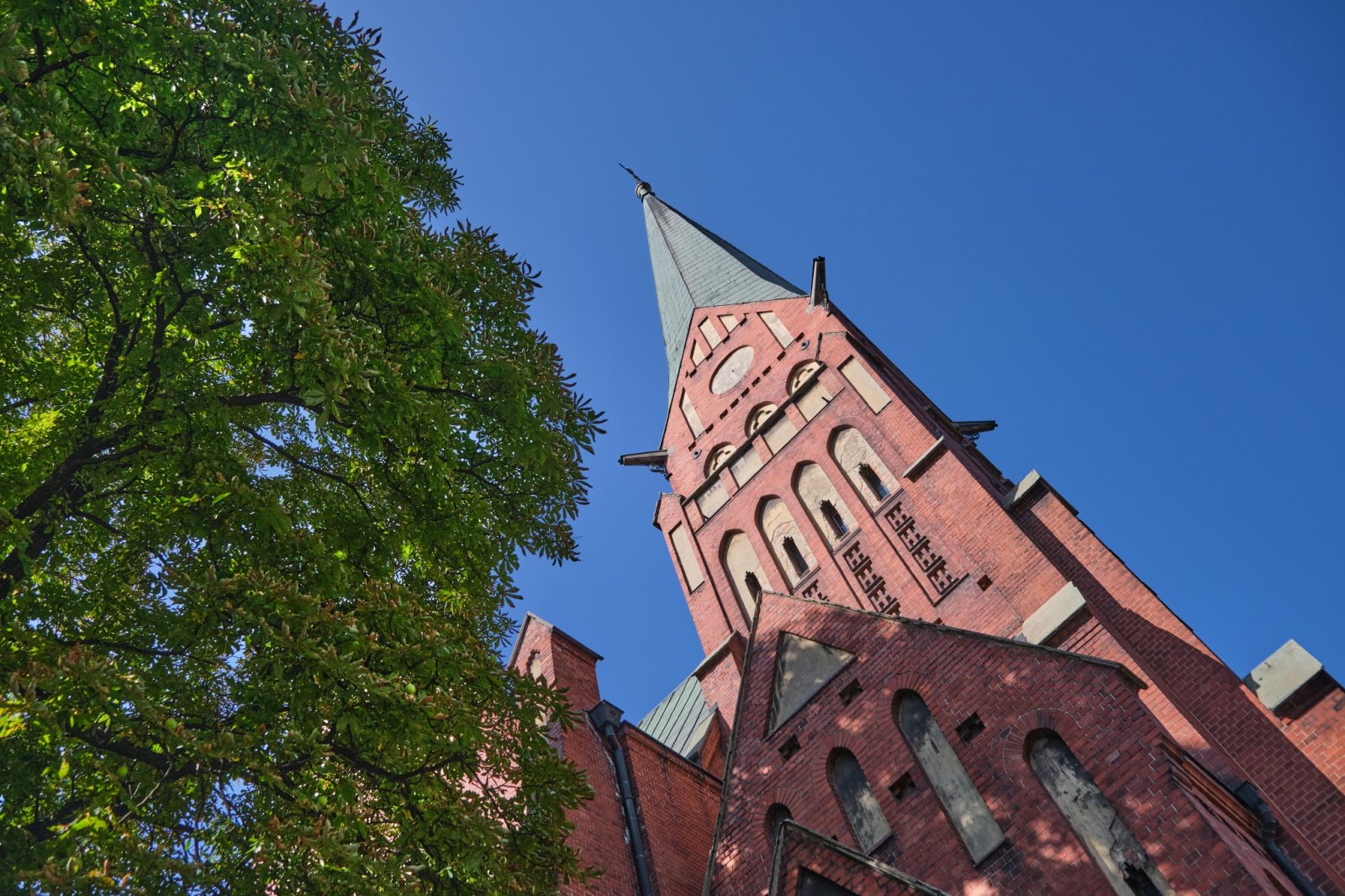
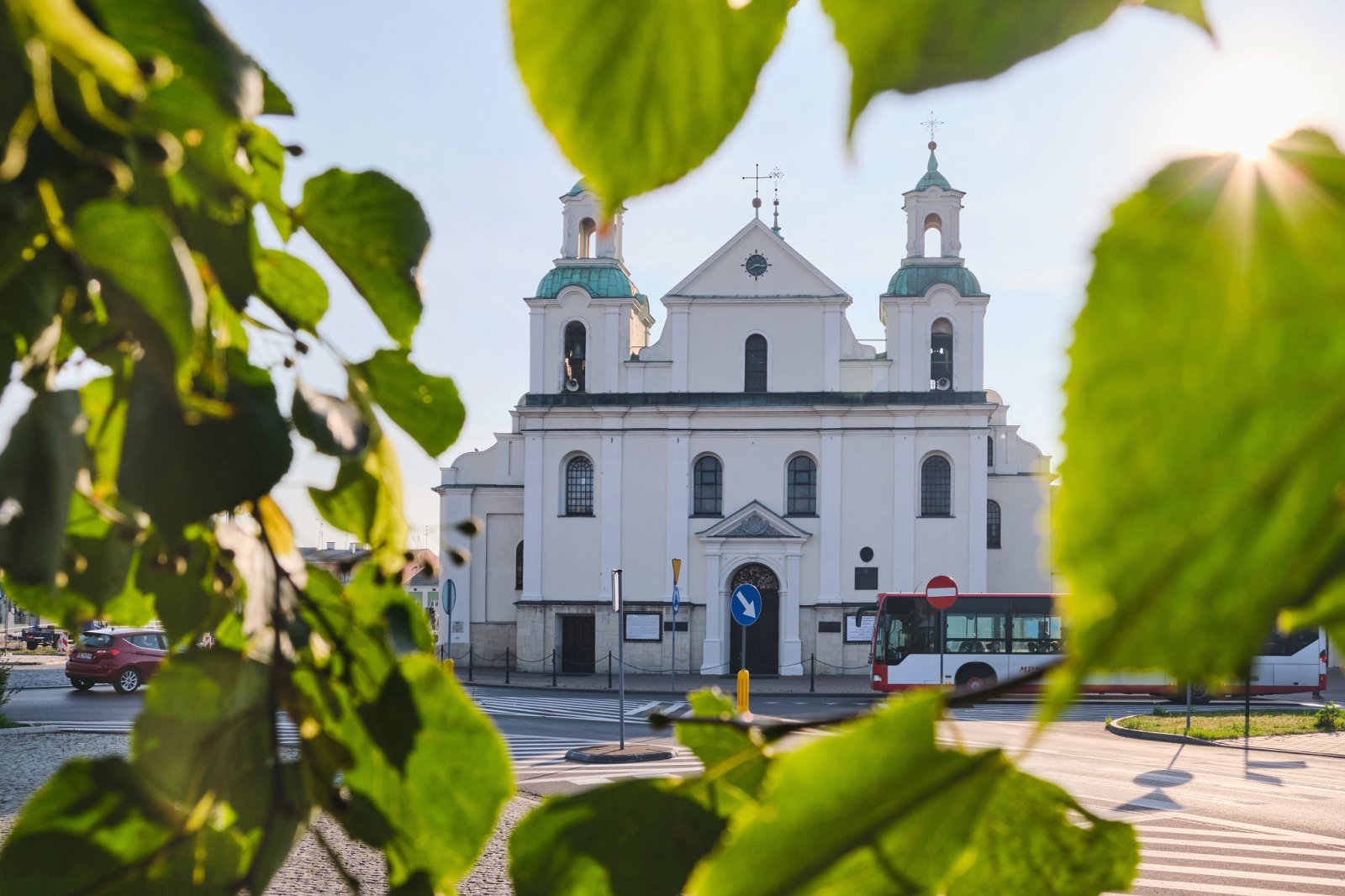
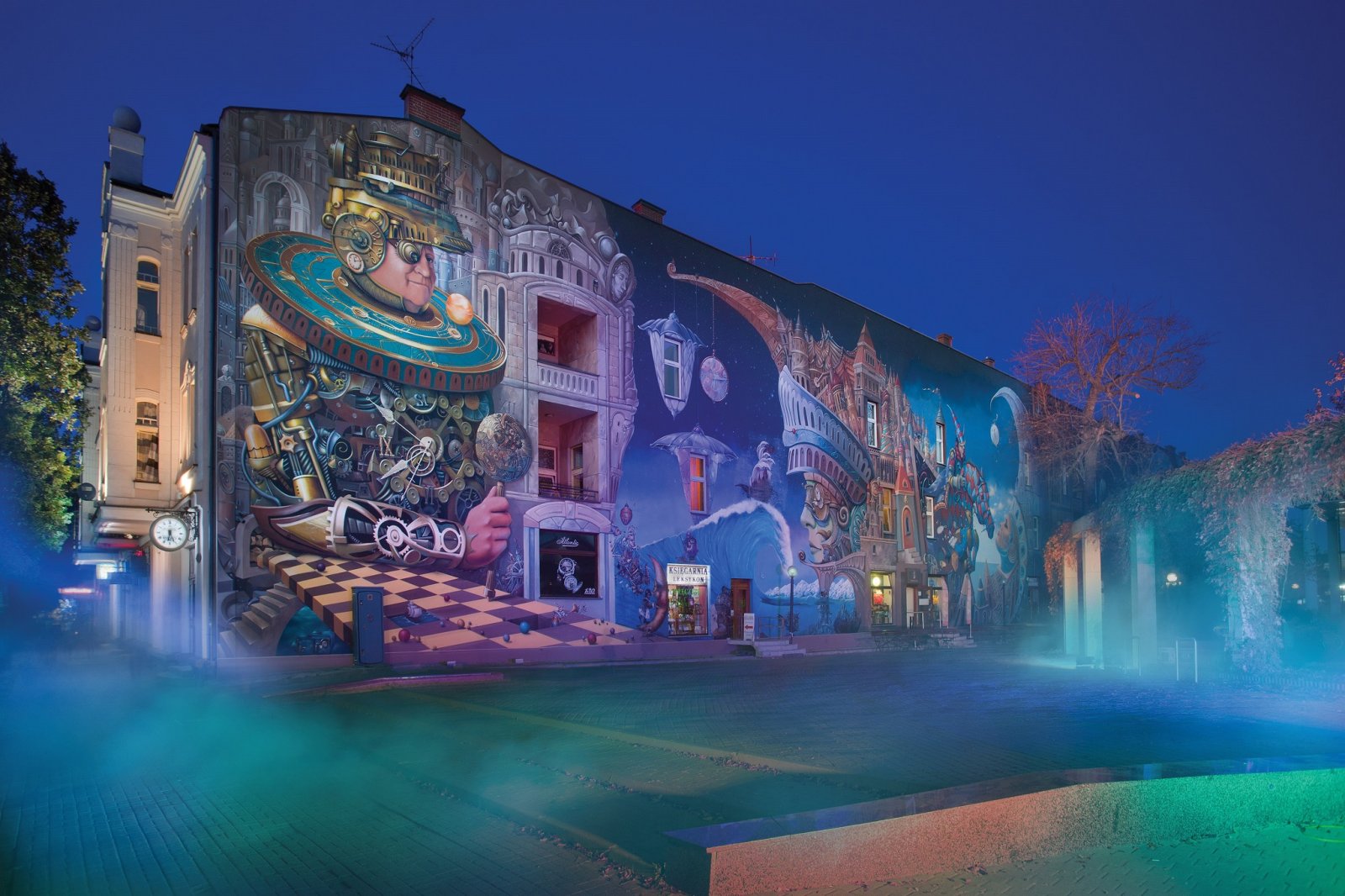
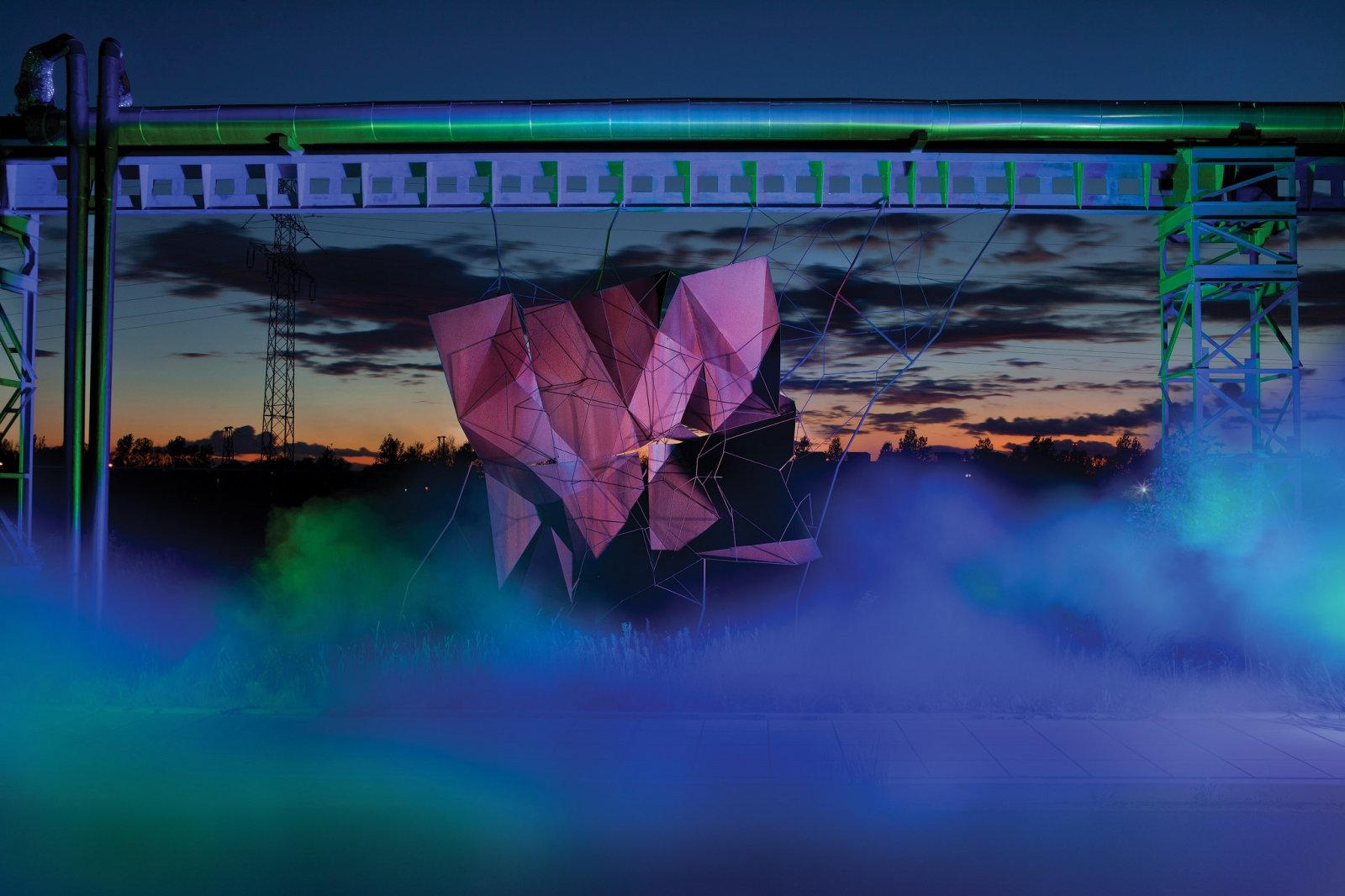
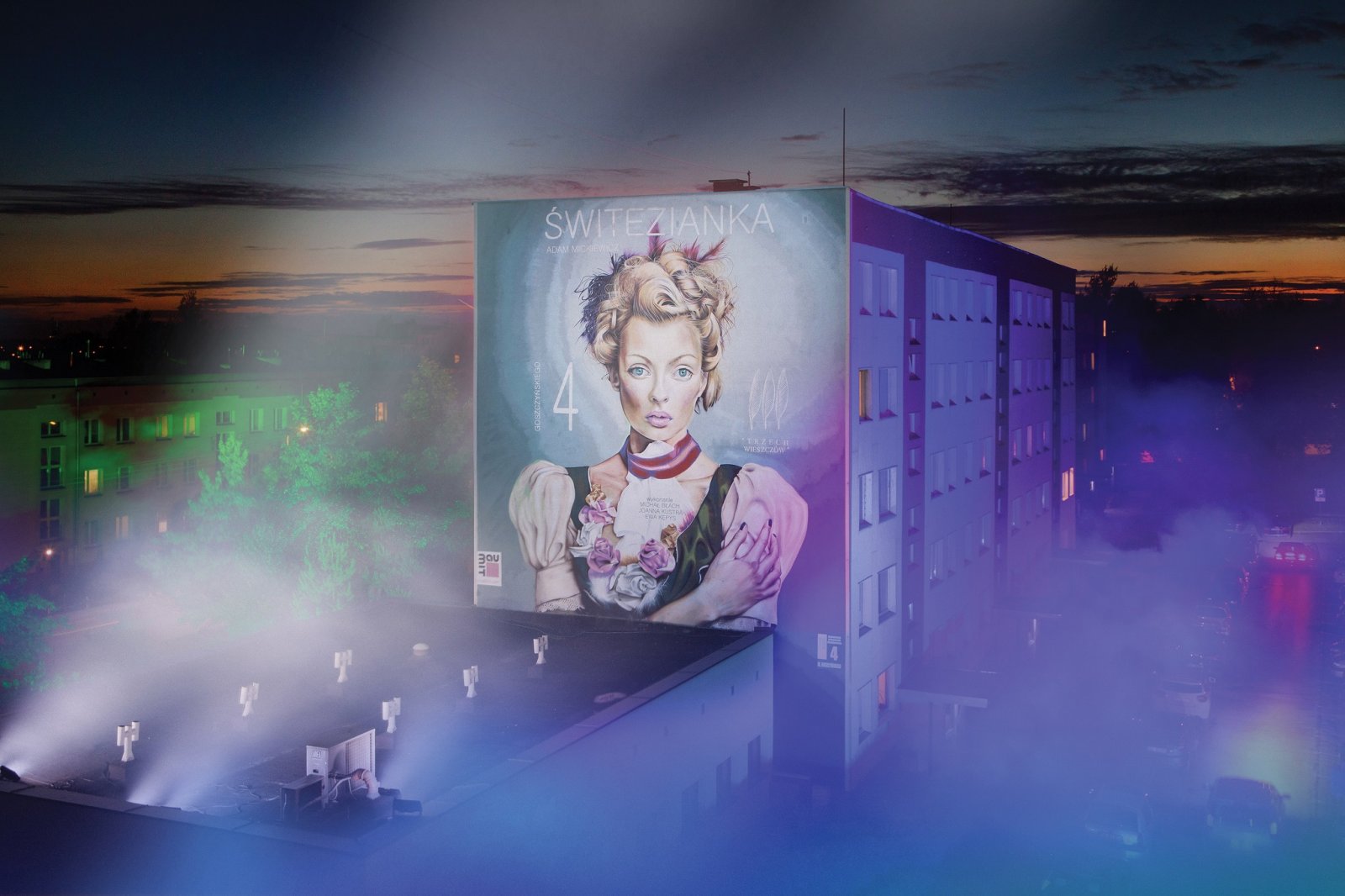

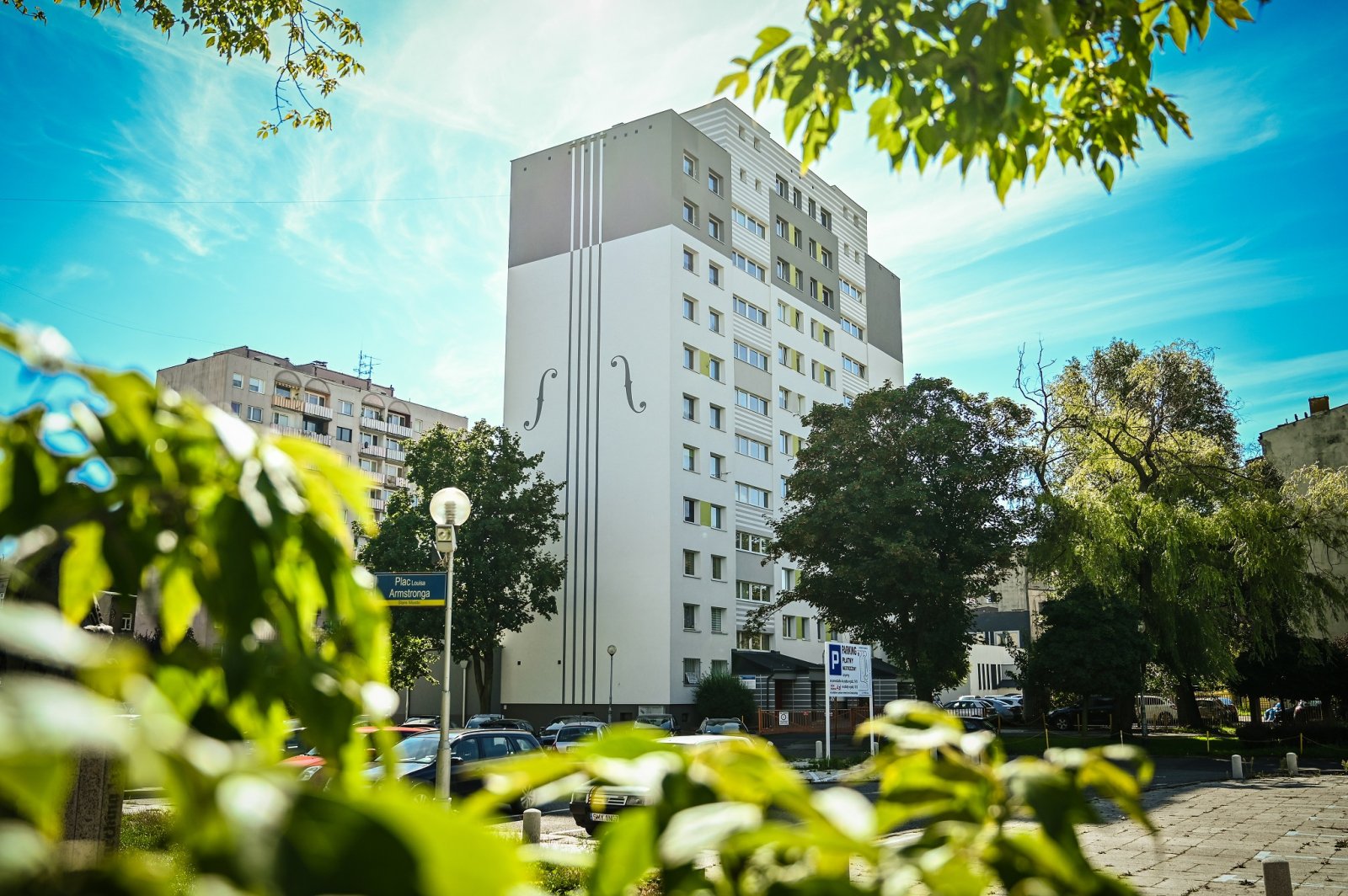
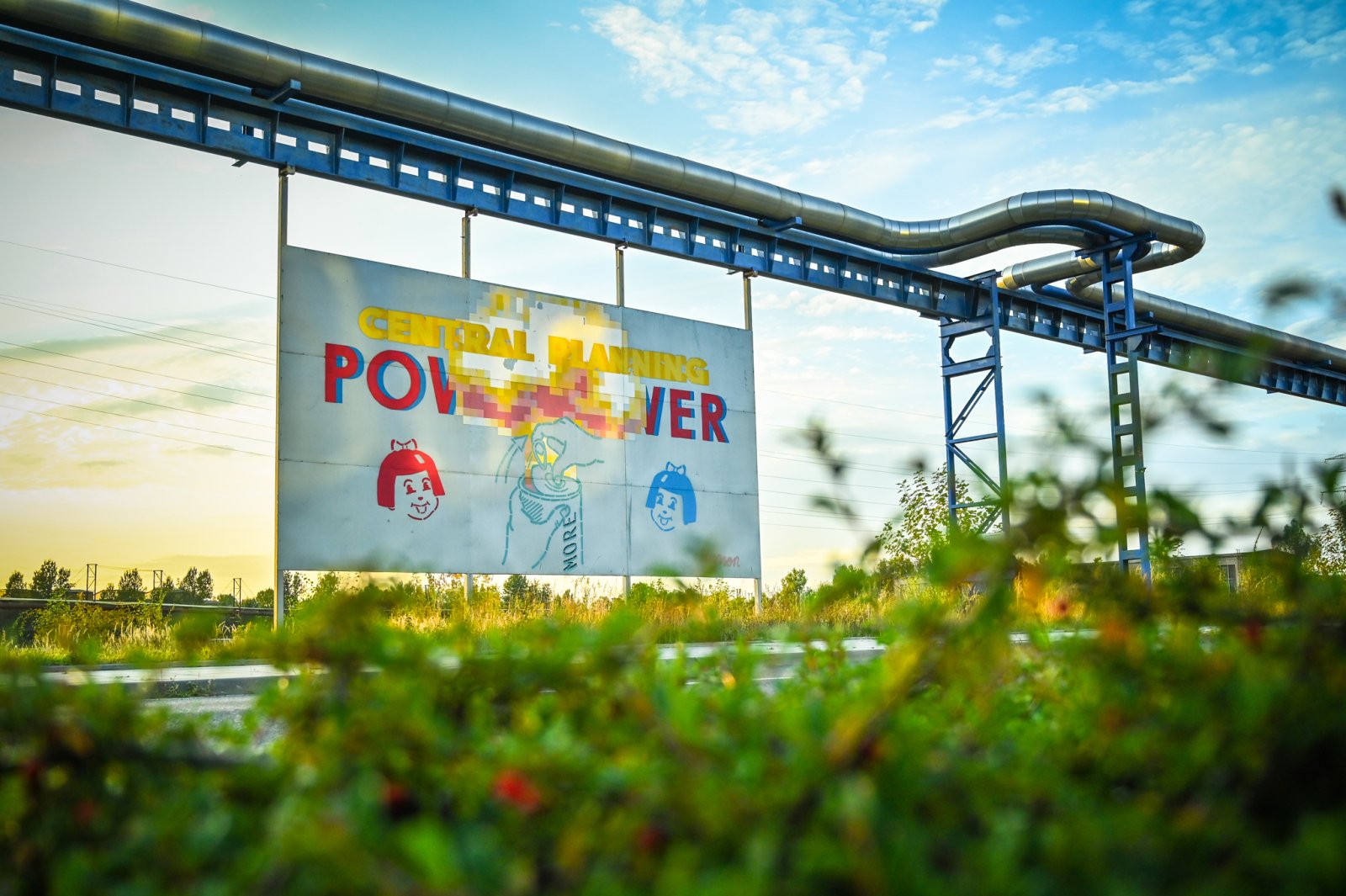
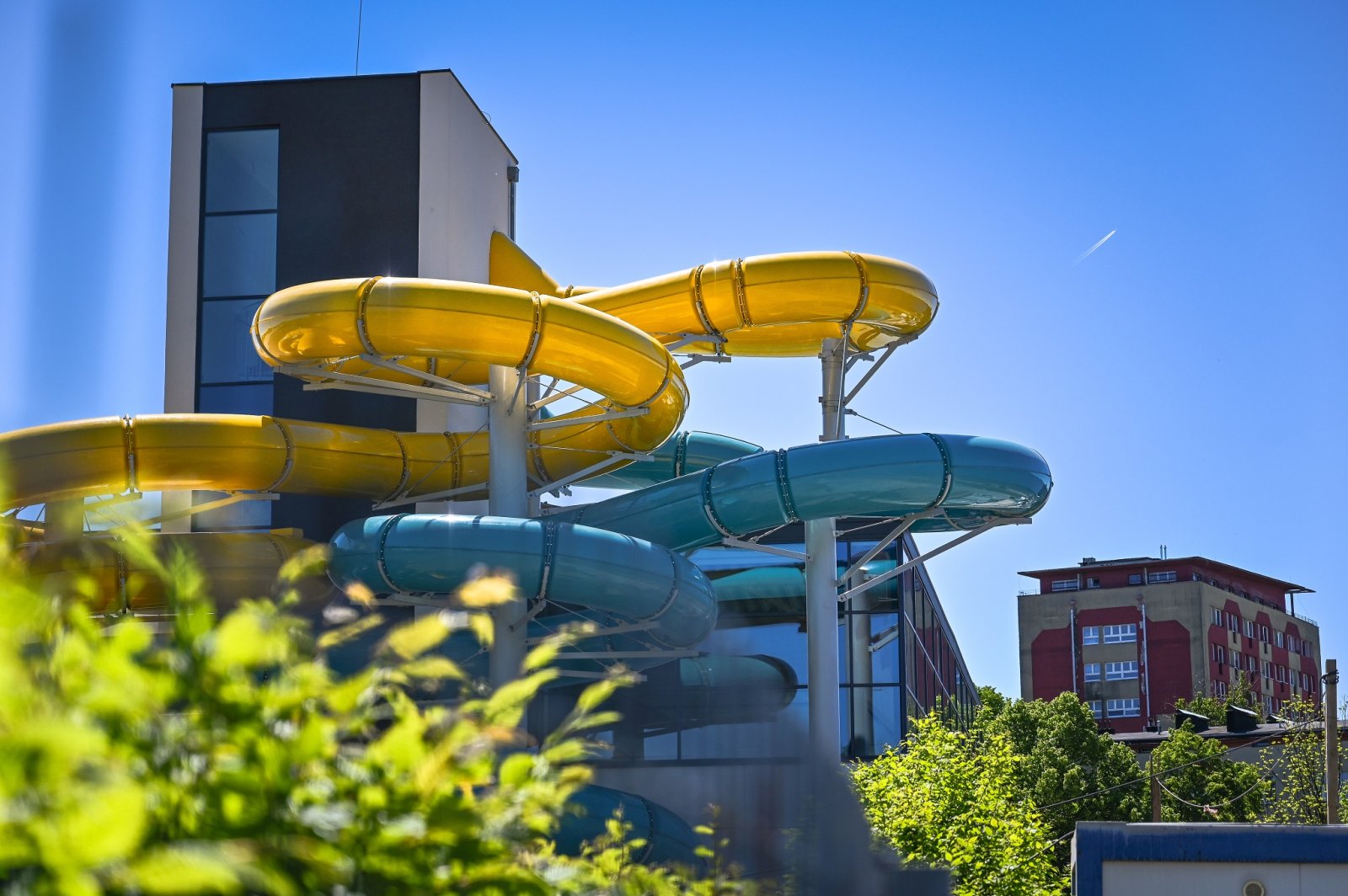
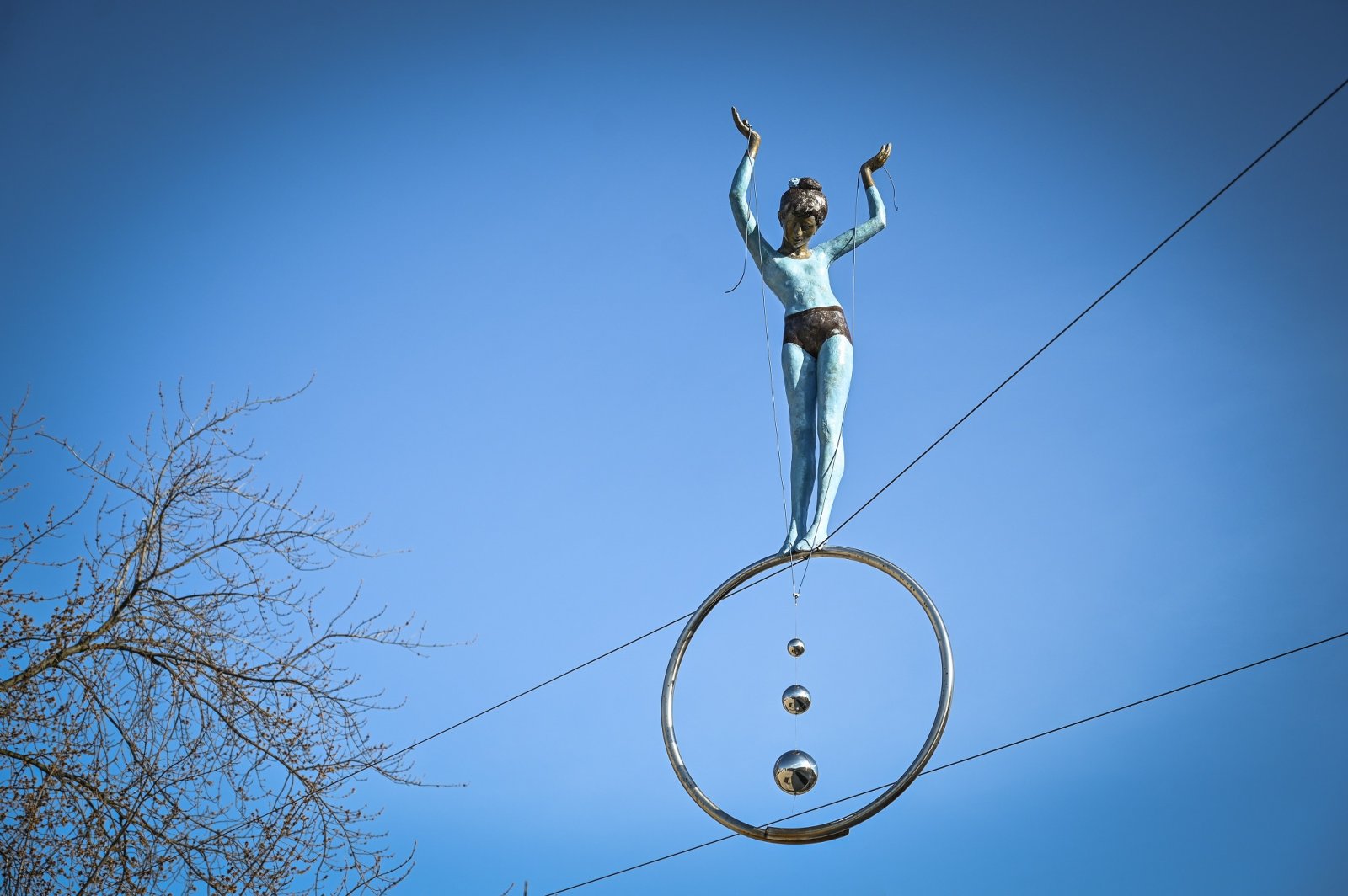
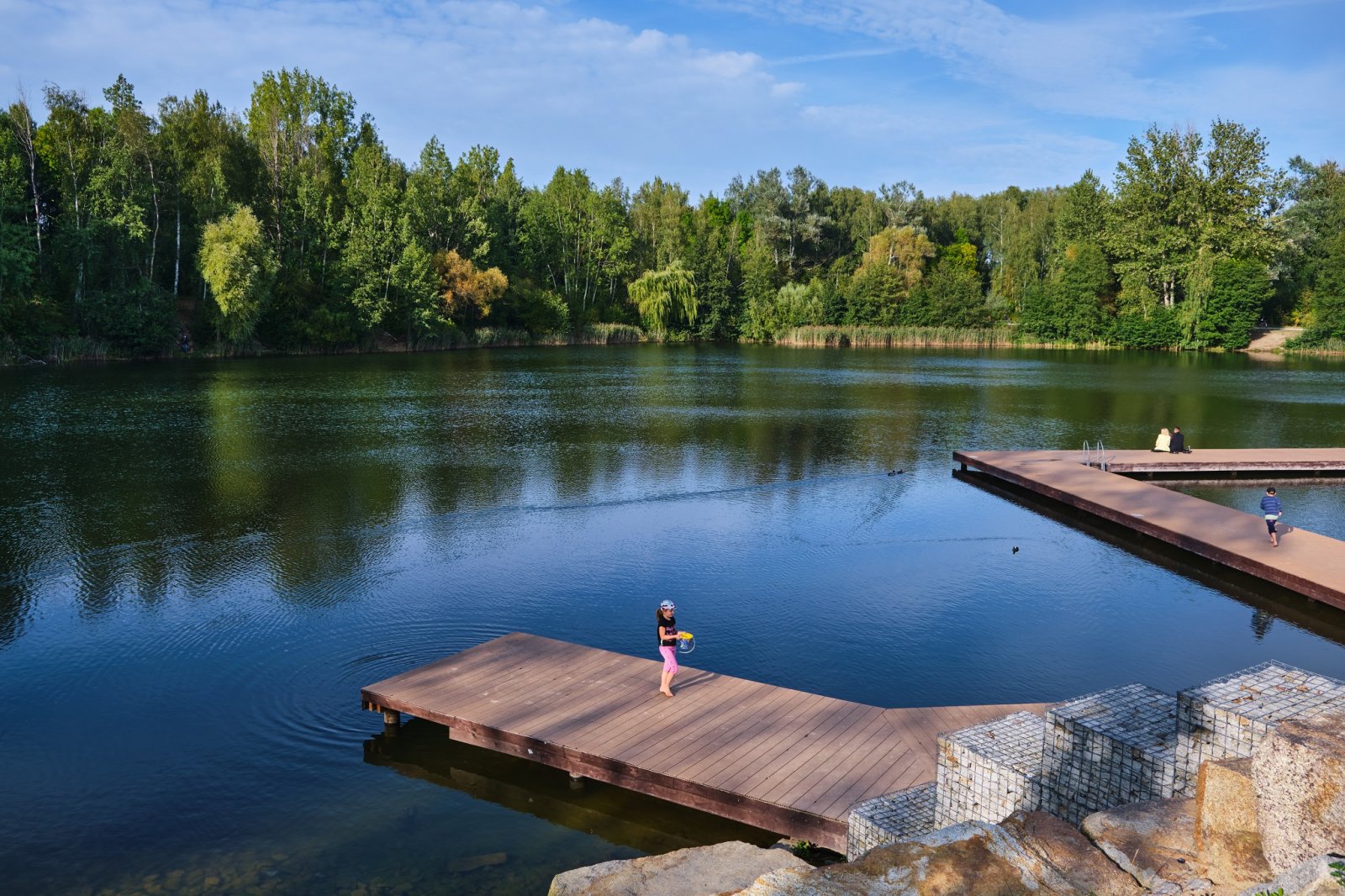
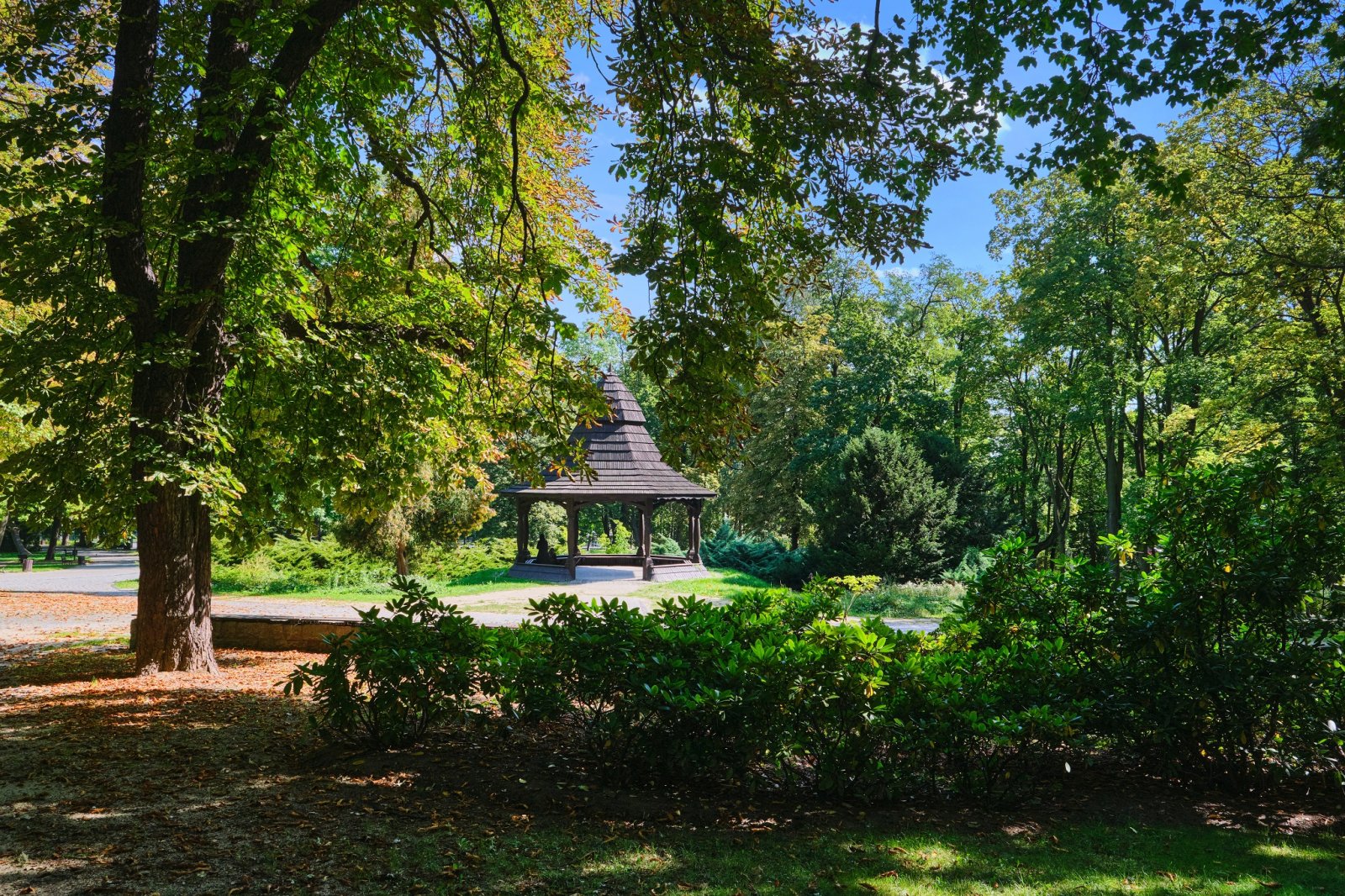
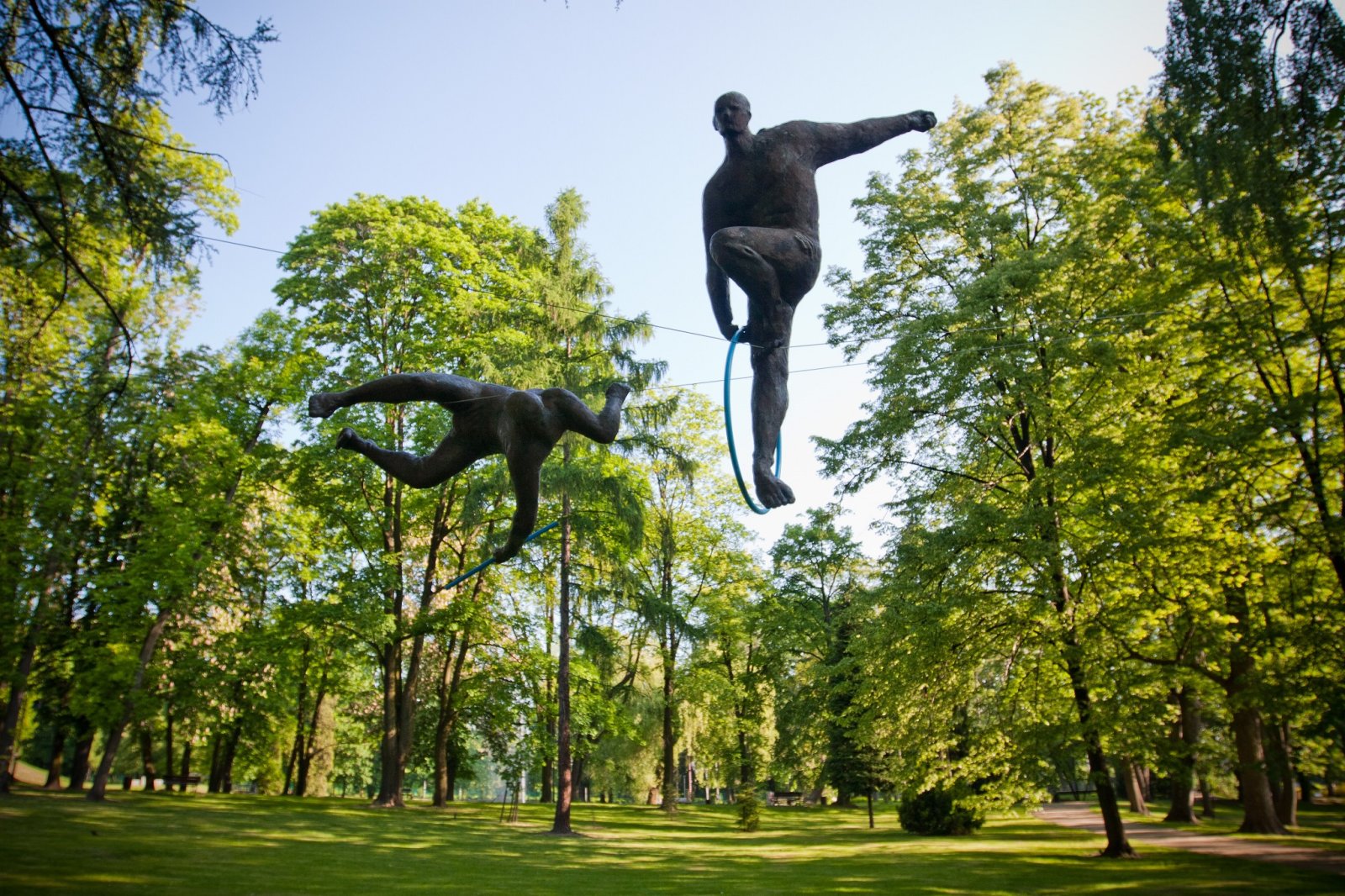
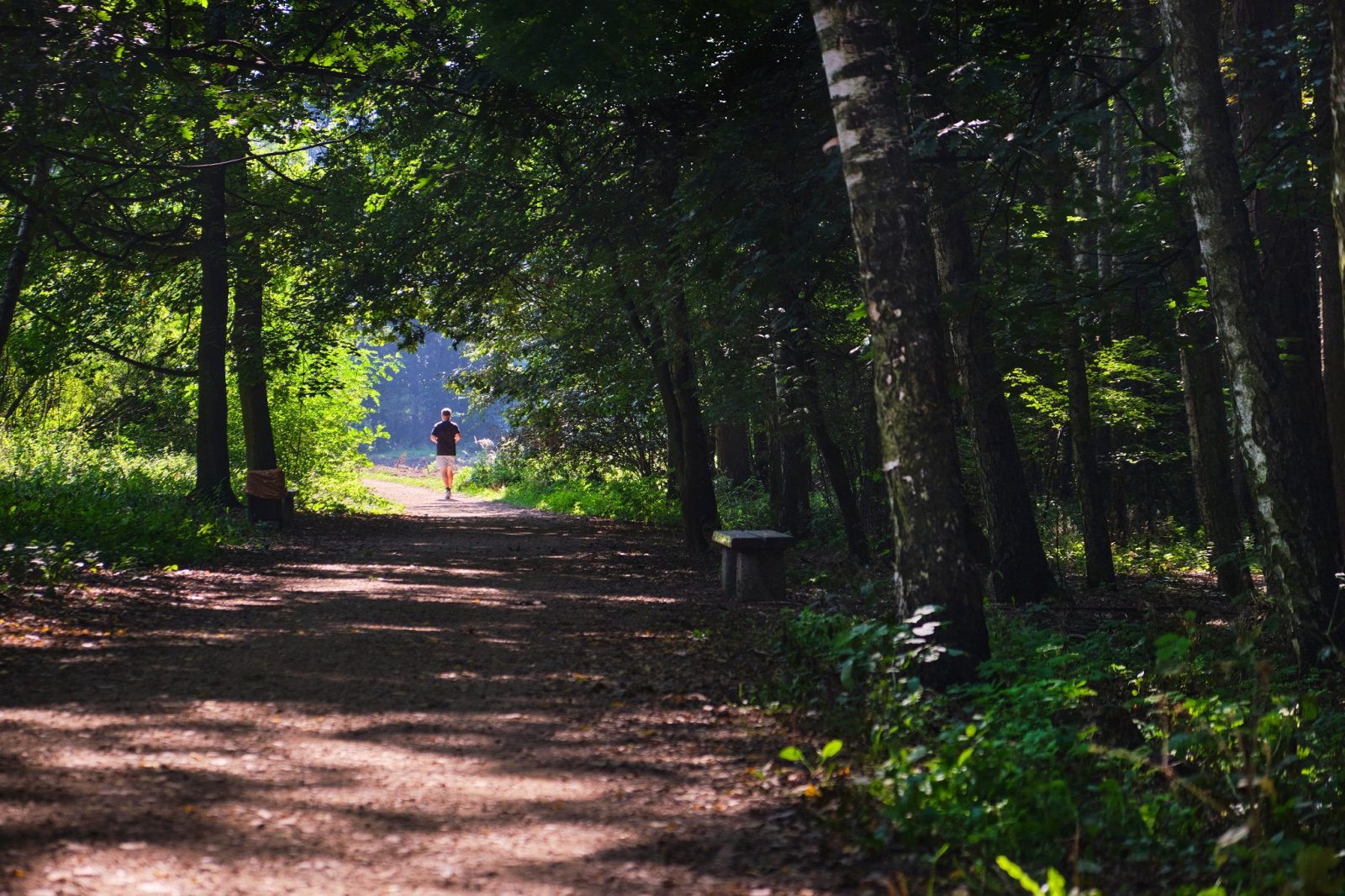
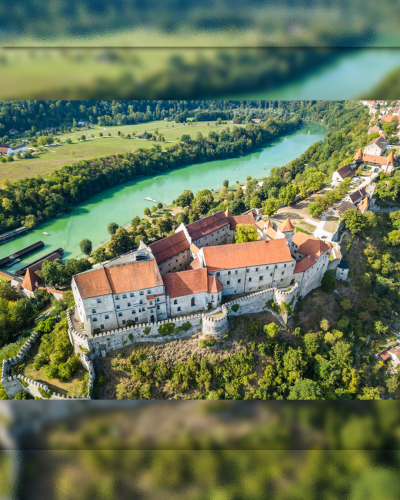
We offer you our new series, the first part of which is now available on the "Shrines of Europe" Facebook profile. "7 out of 7" is a search for places and attractions that can be seen in each of our 7 cities. Despite different languages, traditions and histories, we have a lot in common. We will be happy to show it to you.
Read more
It’s Easter which means a time for joy, spending with family and friends. In this unique time of year we wish you hope and beauty of springtime that gives the promise of brighter days. Let this Easter bring a basketful of joy for all of you! Happy Easter from the Shrines of Europe
Read more
In recent days, young people from Lourdes and Altötting - participants of the project "Citizens of Europe today and tomorrow" - visited Częstochowa. This was the next phase of the project that, initiated by Lourdes, was continued first in Altötting and now in Częstochowa. Once again, young people met to talk about their most important issues, i.e. the climate crisis, new technologies and European identity.
Read more
February is ending really well for Shrines of Europe! On February 22-23, 2024, the city of Ourem/Fatima (Portugal) hosted the 20th International Congress on Religious and Sustainable Tourism, which took place in parallel with the 11th International Workshop on Religious Tourism (IWRT). We were also present there as a group and presented ourselves at our Shrines of Europe stand.
Read more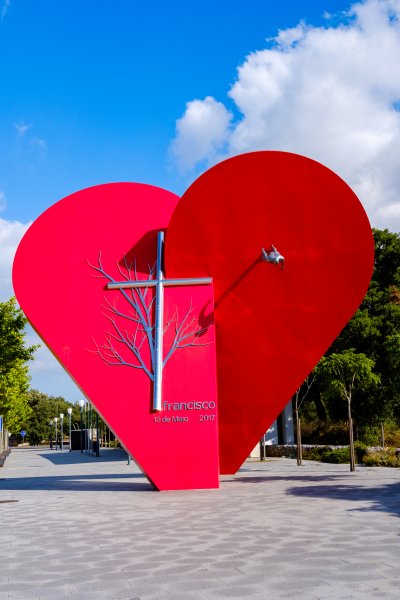
Valentine's Day is approaching. This is a special day of the year when we exchange small gifts, cards with hearts, order flowers and spend time together with our other halves. It is a holiday that some people love and others hate. For both, we have several attractions to see in the unique cities of Shrines of Europe. You can visit these places by yourself or with your loved ones.
Read more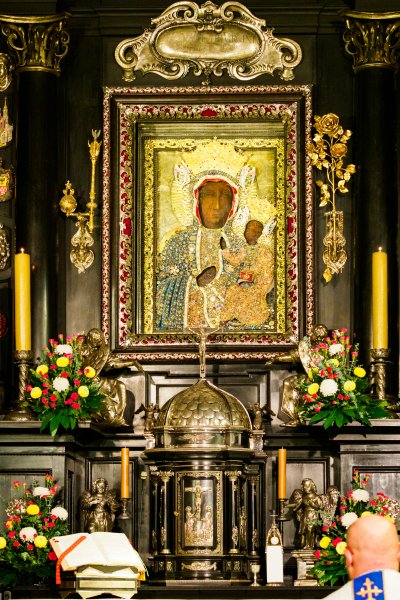
The greatest treasure of the Jasna Góra Sanctuary in Częstochowa is the Miraculous Image of Our Lady thanks to which Jasna Góra became one of the largest Marian sanctuaries in Poland already in the 15th century. This painting is one of the most famous images of Our Lady in the world, clearly associated with Poland and Częstochowa.
Read more